2000 W University Ave, Muncie, IN 47306,USA

Category: Projects & Expertise

What Middletown Read

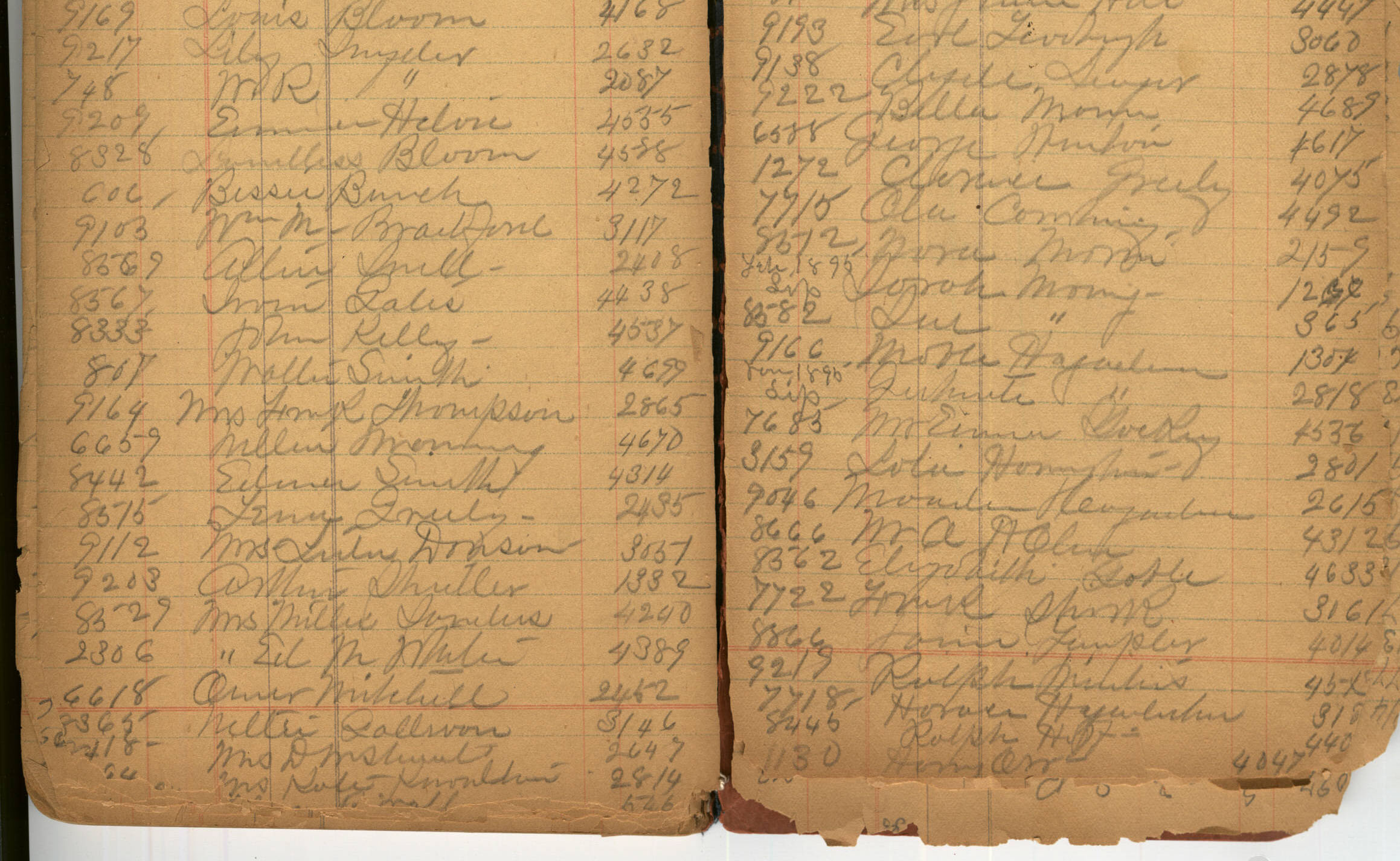
The What Middletown Read Project reproduces in digital form the extant circulation records of the Muncie Indiana, Public Library, between 1891 and 1902. Using these resources, scholars have been able to explore reading choices and library usage in this quintessentially American city at a moment of profound social and economic change. The data came to…
Read more
HVWC

Humanities Virtual World Consortium

BSU’s IDIA Lab was contracted by the Mellon Foundation Humanities Virtual World Consortium to design and develop a major open source virtual world initiative for Digital Humanities and Cultural Heritage projects. The consortium – comprised of Kings College, London; UCLA; the University of Virginia and Trinity College, Dublin – turned to the expertise of BSU’s…
Read more

Stonehenge

Virtual Stonehenge

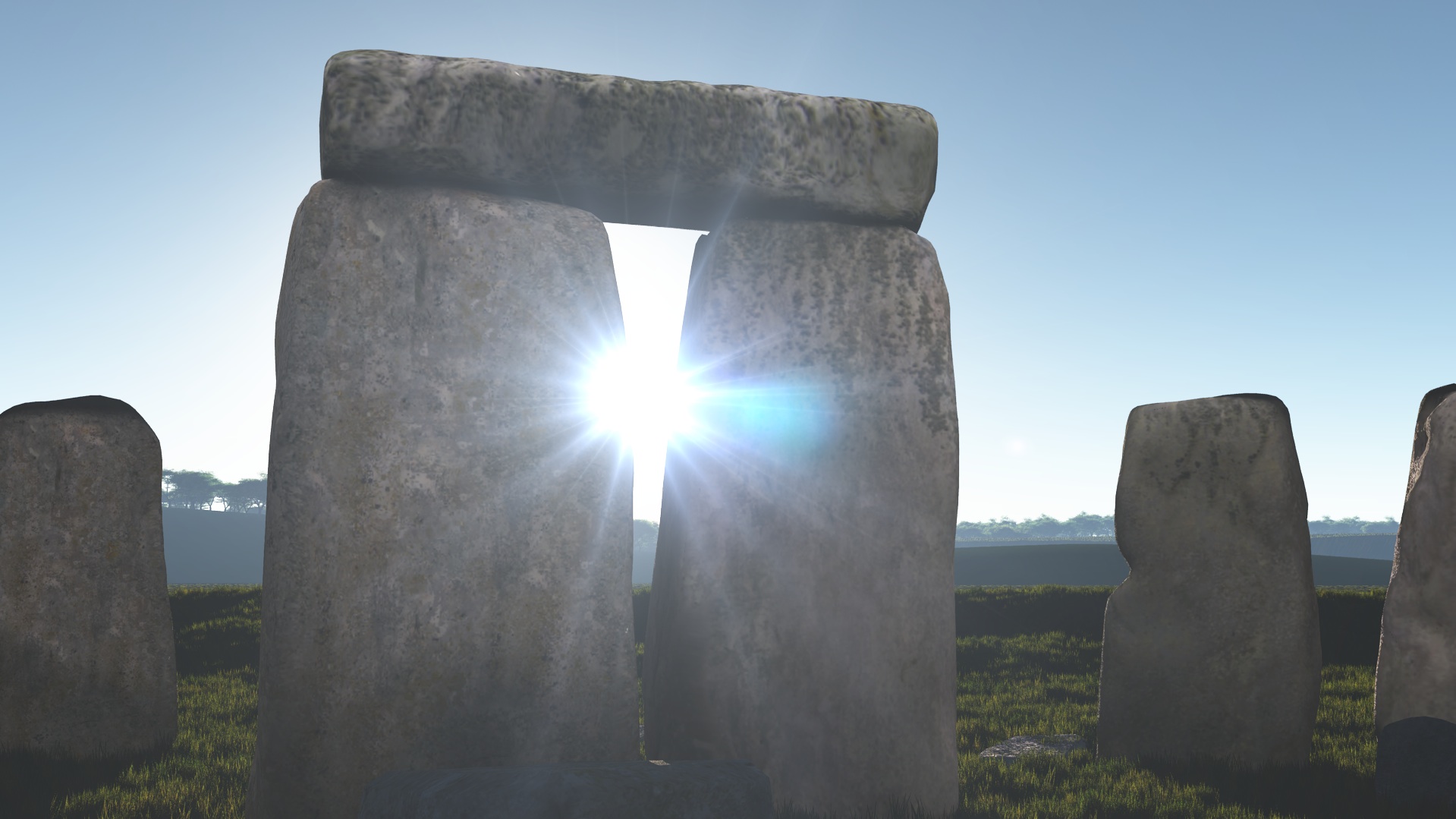
 IDIA Lab has developed a simulation of Stonehenge in Unity 3D which illustrates the various stages of construction and celestial alignments in an interactive virtual simulator. The project incorporates IDIA Lab’s CelestialEngine which uses NASA JPL data to accurately position the sun, moon and visible planets – correcting for changes in time in the Earth’s…
Read more

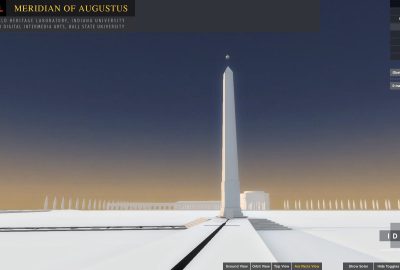
Virtual Meridian of Augustus

IDIA Lab virtual celestial simulator and 3D interpretation of the Meridian of August in ancient Rome. Project commissioned by the Virtual World Heritage Laboratory at Indiana University, directed by Bernard Frischer. Findings presented at the Vatican’s Pontifical Academy of Archeology in Rome Thursday December 19th, 2013 A Digital Simulation of the Northern Campus Martius in…
Read more

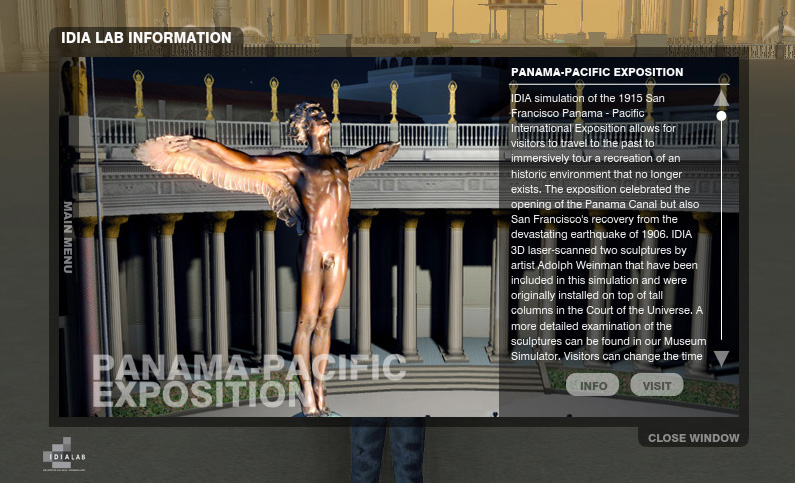
Virtual Panama Pacific Exposition 1915

IDIA simulation of the 1915 San Francisco Panama – Pacific Exposition The project allows for visitors to travel to the past to immersively tour a recreation of an historic environment that no longer exists. The exposition celebrated the opening of the Panama Canal but also San Francisco’s recovery from the devastating earthquake of 1906. IDIA…
Read more

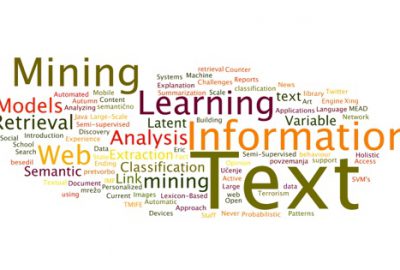
Text Mining/Visualization

The computational analysis of texts has become an increasingly important element of research in many academic fields. This approach can help researchers identify and visualize patterns or trends in individual texts or across an extensive corpus of textual material (which might include books, articles, and/or social media and online content). The DSL and affiliated staff from University Libraries can…
Read more

3D Visualization

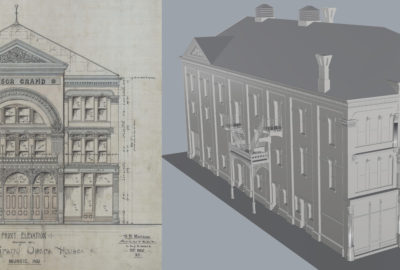
Scholars across disciplines are looking to three-dimensional, augmented and immersive digital experiences to provide  a unique interaction for users with new forms of spatial analysis. These immersive spaces can connect to social networks, web-services, head-mounted displays, media and data – enabling participants to engage in new ways with an extensive body of compelling content.The DSL supports…
Read more

Spatial Analysis

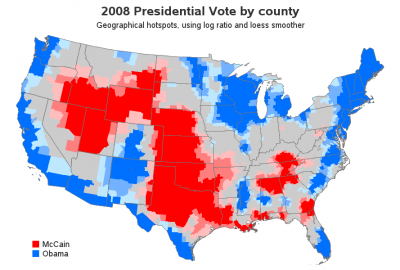
Spatial Analysis Mapping technologies that have emerged since the 1990s enable scholars from many different disciplines to examine spatial questions. Geographic Information Systems (GIS) tools incorporate historical and cultural data within interactive maps that facilitate sophisticated spatial analysis. The Digital Scholarship Lab supports the creation and visualization of spatial data using GIS tools. We partner with the GIS Research…
Read more

Digital Curation/Preservation

The DSL is firmly committed to best-practice digital stewardship through all phases of a project. The Lab’s staff and affiliates can assist with the procurement and selection of digital assets (including datasets and text) necessary to a project. They will also help faculty and staff gain access to and customize the digital platforms necessary for…
Read more

Archival & Metadata Development

Careful description of digital assets through metadata is essential to successful digital scholarship. Well-constructed metadata describes a project in a systematic way that attracts users and ensures that a project remains accessible over the long term. The DSL, through affiliated staff in University Libraries, supports the development of robust metadata that meets core archival standards…
Read more